A year of transformation for agriculture teaching at the Zimbabwe Open University, 2024
In 2024, Zimbabwe Open University (ZOU) experienced a transformative year in advancing curricula, strengthening industry partnerships and championing green innovations. These efforts have positioned the university to better prepare agriculture graduates for the future.
Introduction
Zimbabwe Open University (ZOU) is one of the collaborators in the EU funded UPLIFT-Agriculture project that is being implemented in 9 Universities in Zimbabwe, Kenya, Rwanda and Burundi, and 3 EU partners in Germany, Italy and Denmark. The objectives of the project are to strengthen university industry linkages for quality training, research and technology transfer; to improve agriculture curriculum and teaching methods; and to improve innovation and entrepreneurial capacity of the African universities.
The year 2024 was a year of transformation for ZOU, with activities encompassing the different objectives, from revising curricula to engaging industry partners and developing green innovations. In these multiple dimensions, ZOU has made significant strides in preparing agriculture graduates for the future.
Strengthening Project Management
ZOU successfully introduced the UPLIFT-AG project to faculty, staff, and students. The university:
- Participated in international consortium meetings and workshops.
- Adopted new systems for data-driven decision making.
- Integrated gender and social inclusion (GESI) training to empower marginalized groups.
- Established quality assurance and risk management frameworks to improve accountability and safeguard results.
Building Industry Linkages
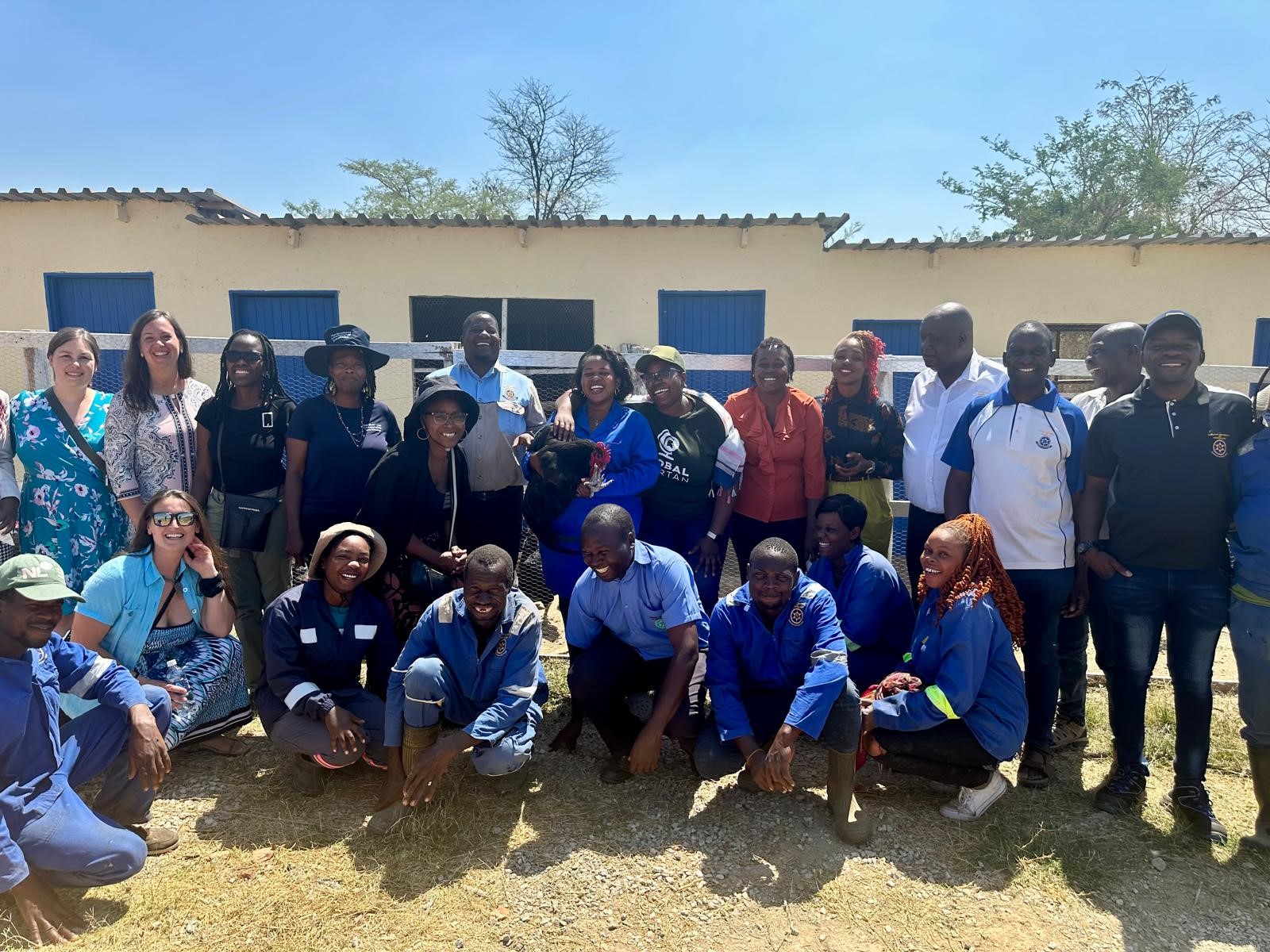
In April and May 2024, ZOU carried out a baseline survey among different stakeholders, including farmer unions, NGOs, manufacturing, R&D institutions, and service providers. 17 industry partners were engaged during this process. Consultations revealed strong demand for applied research and hands-on student training, which will inform future collaborations. Workshops with senior management, lecturers, and industry partners were scheduled to follow up on these findings.
Curriculum Reform & Teaching Innovation
Curriculum innovation was a central focus in 2024. ZOU reviewed 57 agriculture courses across multiple programs, including Agricultural Management, Crop Science, Horticulture, and Agribusiness. New teaching approaches were piloted, most notably the “Learning by Doing” method, which places students in real-world contexts to gain practical skills. A workshop on innovative teaching methods and digital tools is planned to scale these approaches across faculties.
Green Innovations & Facilities
To support sustainability and hands-on learning, ZOU invested in modern teaching facilities:
- A solar-powered farm facility at the Kadoma farm to reduce reliance on unstable grid power.
- A state-of-the-art mushroom production unit with automated irrigation, temperature, and humidity controls.
These facilities are not only advancing research and learning but also positioning ZOU as a hub for green entrepreneurship and innovation.
Looking Ahead
Through curriculum reform, industry partnerships, and sustainable innovation, ZOU is laying the foundation for a stronger university–industry ecosystem. The university’s achievements in 2024 demonstrate the power of higher education to drive knowledge-based, inclusive, and sustainable agricultural transformation.
Project Coordinator:
Prof. Maina Mwangi
School of Agriculture and Environmental Sciences
Kenyatta University
Tel: +254710860550
Email: maina.mwangi@ku.ac.ke